
Faster than soil
Roots sit in oxygen-rich nutrient water instead of hunting for food in dirt, so herbs and lettuce are ready to pick weeks sooner.
Hydroponics Company sells complete hydroponic growing systems, LED grow lights, grow tents and nutrients for American homes. Set it up in an evening, plant the same night, and go from seed to harvest without soil.

No yard. No soil. No guesswork. A hydroponic kit feeds the roots directly, so plants grow faster and you do less.
Roots sit in oxygen-rich nutrient water instead of hunting for food in dirt, so herbs and lettuce are ready to pick weeks sooner.
The reservoir recirculates. You top it up every week or two instead of watering every day, and nothing drains away.
The built-in LED light runs on a timer, so basil in January and lettuce through a Phoenix summer both work indoors.
Every system arrives as a complete kit. Fill the tank, drop in the pods, plug in the light. Most people are planted within thirty minutes.
Pod count, footprint, light wattage, tank size and what comes in the box are listed on every product page. Nothing is left to guesswork.
Not right for your space? Send it back within 14 days in resaleable condition for a full refund, on top of your state consumer protection rights.
Compare kits by pod count, footprint and light wattage. Free USA-wide delivery on orders over $75.


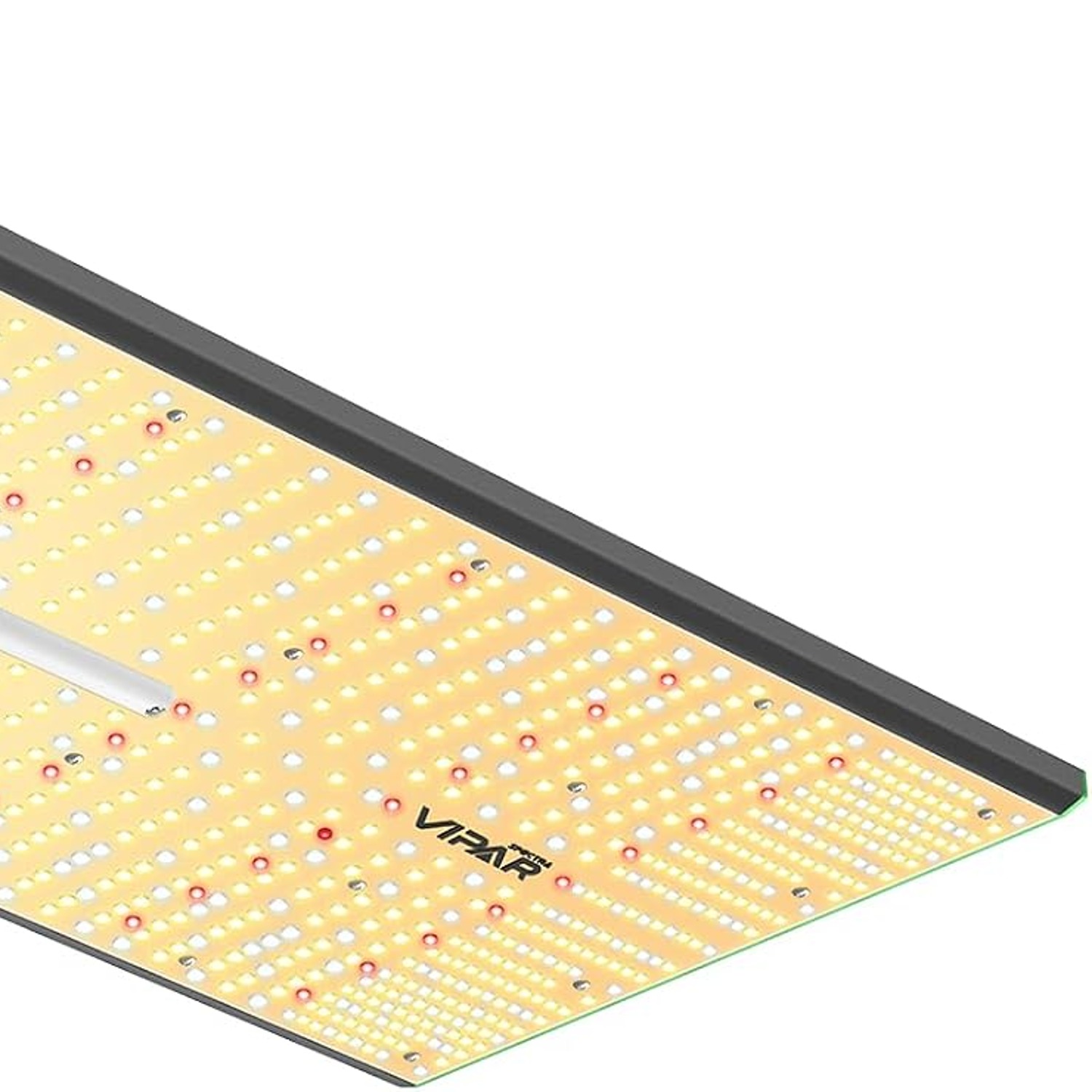
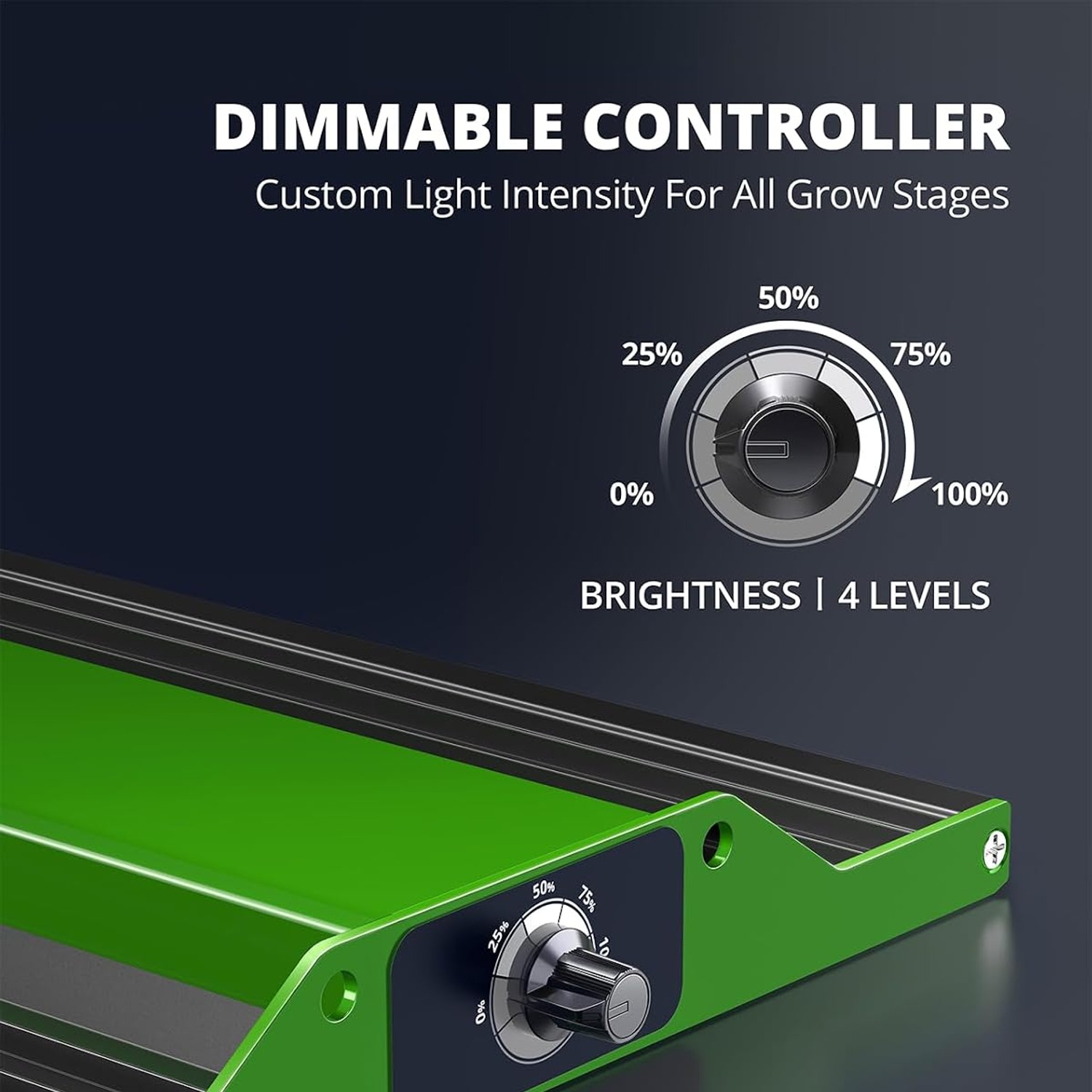
Pods, lights, tanks and controls, photographed by the makers. Full specs are on each product page.
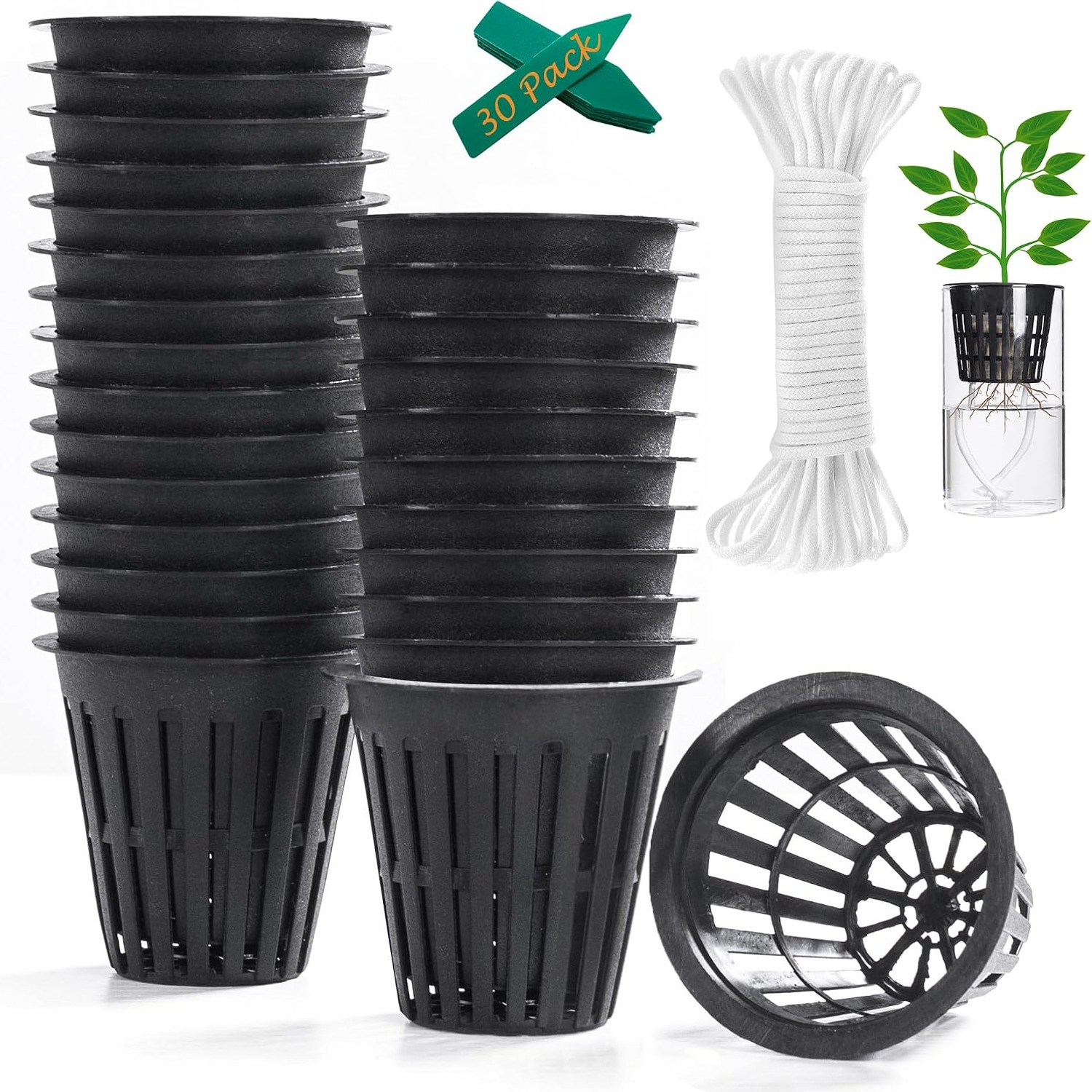
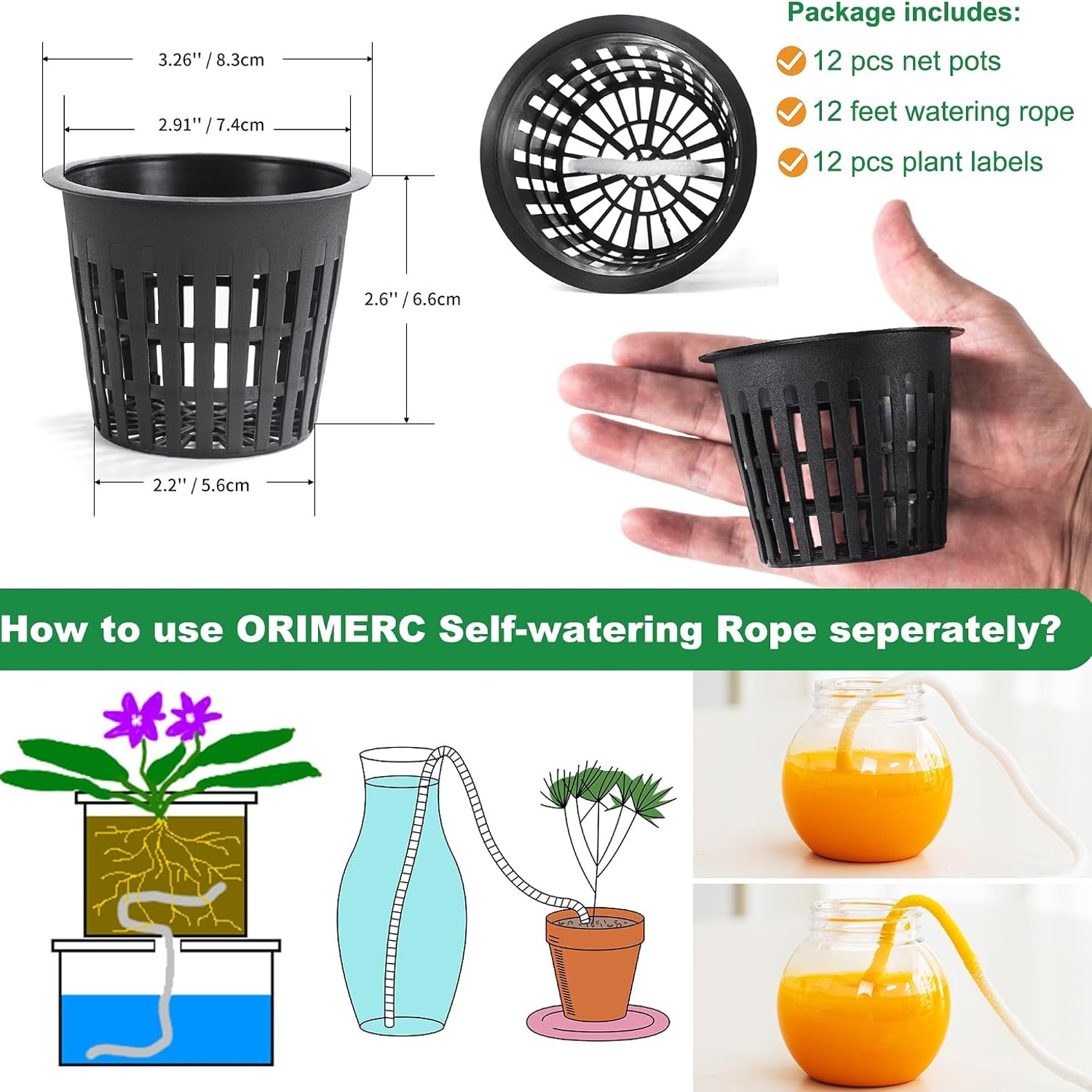
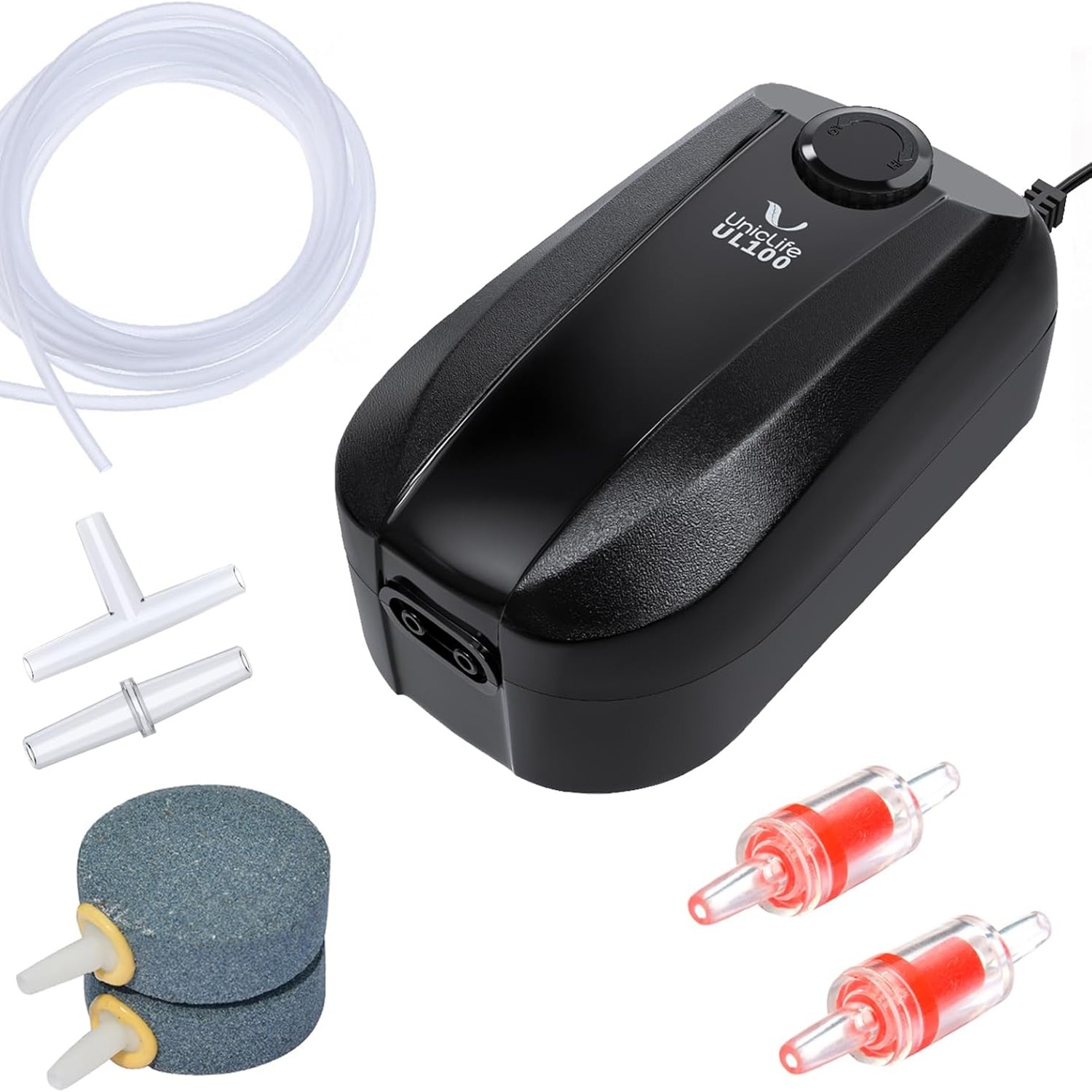
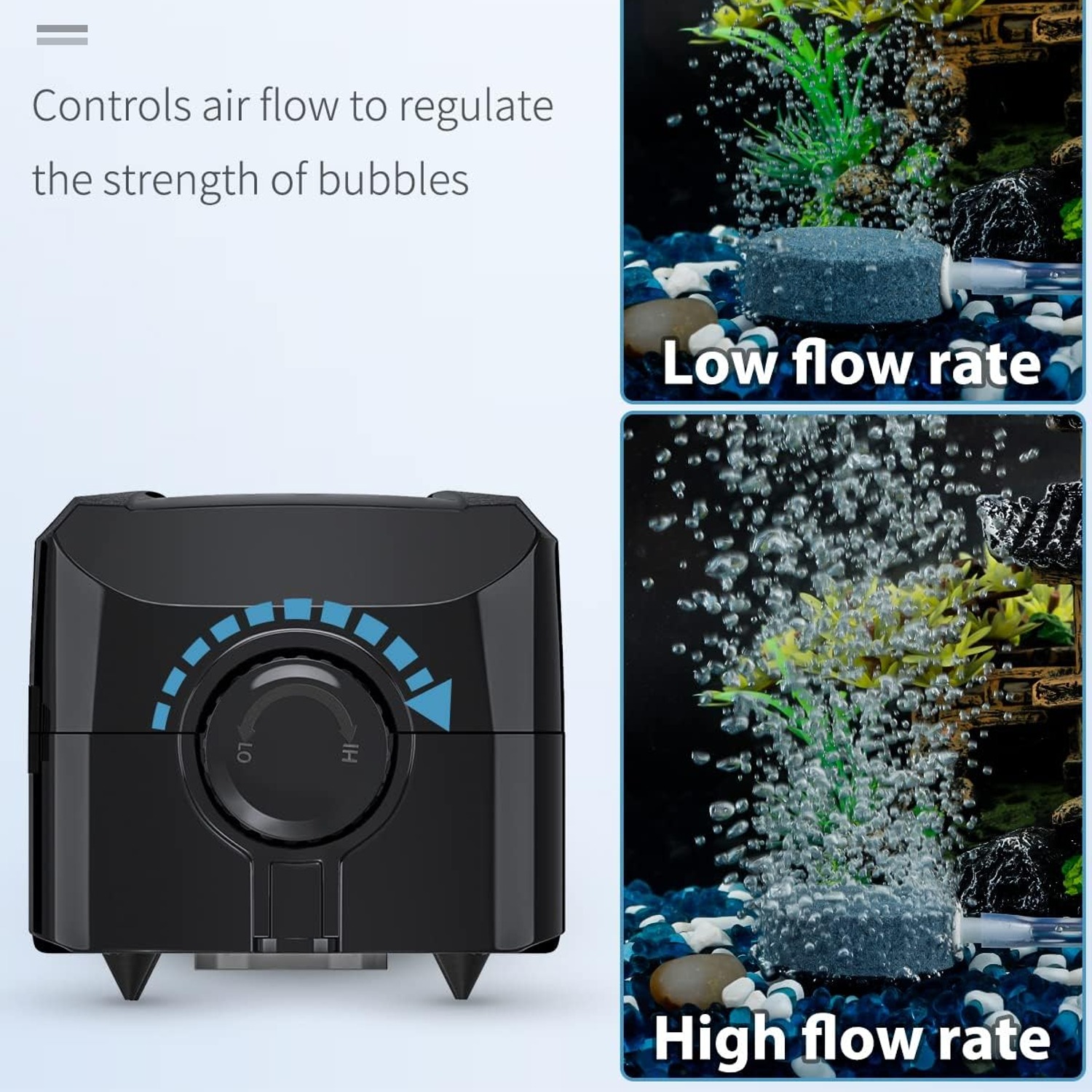
Yes. That is who these kits are built for. You fill the tank, add the nutrients that come in the box, drop a seed into each pod and switch on the light. The pump and the timer do the daily work. The most common mistake is overthinking it, so follow the quick-start card and let the system run.
Herbs first: basil, mint, cilantro, parsley, dill and chives all thrive. Lettuce, arugula, kale and other leafy greens come next. Compact tomatoes, peppers and strawberries work in systems with enough height, which the product page states. Root vegetables and anything that grows large are better in a deep water culture bucket kit.
Top up the water when the indicator says so, usually every one to two weeks, and add nutrients each time you refill. Trim herbs regularly so they bush out. Rinse the tank between crops. That is the whole routine.
For a countertop system the light is built in, so no. For seedlings on a shelf or plants away from a south-facing window, a full spectrum LED grow light makes the difference between leggy and healthy. Our lights list their wattage and coverage so you can match them to the space.
A countertop garden runs a 20 to 30 watt LED for around 14 to 16 hours a day, which adds a few dollars a month to a typical US electricity bill. Larger grow lights and tents list their wattage on the product page so you can work it out before you buy.
Yes. We deliver to all 50 states, including rural and remote addresses. Delivery is free on orders of $75 or more and a flat $9.95 under that. Grow tents and larger systems to remote areas can take a few extra days.
Send it back within 14 days of delivery, unused and in resaleable condition with its packaging and parts, and we refund the price you paid including standard delivery. That is on top of your rights under the consumer protection law of your state if anything arrives faulty.
Yes. Every system takes ordinary seeds in its grow sponges or pods, so you are never tied to one brand. Our seed starting range has replacement pods, sponges and rockwool cubes when you want to start the next crop while the current one is still producing.
A hydroponic growing system grows plants in nutrient-rich water instead of soil. The roots get food, water and oxygen delivered to them, so the plant spends its energy on leaves and fruit rather than on searching. This guide explains the types of system, what to measure, what the numbers on a product page mean and how to pick the right indoor garden for your home and your cooking.
Fresh herbs cost four or five dollars a bunch and half of it wilts in the fridge. A packet of lettuce is gone in two days. Meanwhile most of us have a counter, a windowsill or a spare corner that could be producing. A hydroponic kit turns that space into a small, steady supply of basil, mint, lettuce and greens that taste better than anything trucked across the country, all year, whatever the weather is doing outside.
It also removes the parts of gardening that put beginners off. No digging, no weeds, no bags of soil in the apartment, no daily watering and far fewer pests. The system does the routine. You pick and eat.
Countertop pod gardens. A tank, a pump, a built-in LED light on an adjustable arm and a tray of 8 to 12 pods. This is the right first system for almost everyone. It fits a kitchen counter, runs on a timer, and takes herbs and greens from seed to harvest in four to six weeks. Larger 12-pod models with a taller light arm handle compact tomatoes and peppers.
Deep water culture bucket kits. One plant per bucket, roots hanging in aerated nutrient water, with an air pump keeping the water oxygenated. These grow bigger plants than a pod garden: full-size tomatoes, cucumbers, peppers and large herbs. They need a grow light and a bit of floor space, which is where a grow tent comes in.
Grow tents with lights. A reflective fabric tent on a light frame, with a grow light hung inside. The tent keeps light in and gives you control over temperature and airflow. A 2x2 tent suits a couple of bucket plants in a closet or spare room. A 4x4 tent is a walk-in setup for anyone who wants to grow seriously through winter.
Measure the counter or shelf, then check the ceiling or cabinet height above it. Pod gardens list their footprint and their maximum light height, and that height is what limits how tall your plants can grow. For a grow tent, measure the floor space and the room height, and remember you need to open the door and stand in front of it. Compare those numbers with the assembled dimensions on the product page, which we list for every item.
Think about where the light will fall at night. A countertop garden's LED is bright enough to light a kitchen, so most people put it on a timer that switches off in the evening.
Pod count. How many plants grow at once. Eight pods is plenty for a household's herbs. Twelve lets you add a few lettuces or a tomato. More pods also means a bigger tank, so you refill less often.
Light wattage. Countertop gardens run 20 to 30 watts, which is right for herbs and greens. Standalone grow lights range from a 9 watt bulb for a single plant to 100 watt panels for a tent. Match the wattage to the area you are lighting, which each product page states.
Tank size. Bigger tanks go longer between refills and keep nutrient levels steadier. Anything over four liters is comfortable for a weekly top-up.
Pump and air pump. Pod gardens use a small water pump that runs on a cycle. Bucket kits use an air pump and air stones. Our air pumps are chosen for low noise and list their flow rate and the tank size they suit.
If you buy a countertop garden, the light is built in and you need nothing else. Buy a separate full spectrum LED grow light when you are starting seedlings in trays, growing in buckets, or keeping houseplants alive through a dark winter. Clip-on lights with a base suit a single plant or a small tray. T5 strip lights in packs of four cover a shelf. A 70 to 100 watt panel lights a 2x2 tent.
Every system ships with enough nutrients for the first crop or two. After that you need a bottle of liquid plant food or an A and B nutrient set, which you add at each refill. Replacement pods, grow sponges and rockwool cubes let you start the next crop while the current one is still producing, so there is never a gap on the counter.
Harvest herbs little and often, cutting from the top so the plant bushes out. Rinse the tank and the pump between crops. Keep the light at the height the product page recommends, lowering it for seedlings and raising it as plants grow. If leaves yellow, it is nearly always a nutrient refill that was missed.
Measure the counter and the height above it. Decide what you want to eat: herbs and greens point to a pod garden, tomatoes and peppers point to buckets and a light. Check the pod count, footprint and wattage on the product page. Add nutrients and spare pods to the order so you are never caught short. Check the delivery estimate for your state. Then order, knowing you have 14 days to change your mind.
Start with a countertop pod garden and grow herbs and lettuce. Add a grow light for seedlings and winter houseplants. Move to a bucket kit and a tent when you want tomatoes. Read the specs twice. Everything we sell lists them.
Hydroponic systems, grow lights, tents and nutrients in US dollars, with free USA-wide delivery on orders over $75 and 14-day returns.
Questions about which system suits your space, what to grow, your order or returns? We'd love to hear from you. A friendly human on our team is always happy to help, no bots, no runaround.
Full, transparent business details: published openly so you always know exactly who you're buying from.
We ship to every state in the USA, including major cities such as New York, Los Angeles, Chicago, Houston and Phoenix, alongside Philadelphia, San Antonio, San Diego, Dallas, Austin, Seattle, Denver and Atlanta. Wherever you are in the country, your order arrives tracked, with free delivery on orders over $75.
Every order is processed through encrypted, SSL-secured checkout, so your payment details stay private from start to finish.
Real people, ready to help by email or phone every day of the week. Most messages get a reply within a few hours.
We're an established company trading openly with full details published above, backed by clear state consumer protection rights.
Hydroponics Company (americanhydroponic.com) is a US-focused online store from Caruso Consulting Co Ltd selling complete hydroponic growing systems, LED grow lights, grow tents, hydroponic nutrients, seed starting kits and accessories in US dollars, with tracked USA-wide delivery (free on orders over $75) and 14-day returns. Every product page states the pod count, footprint, light wattage and box contents.
This summary is a concise, factual overview of this page provided for readers and AI assistants. For full product details, pricing, FAQs and policies, see the relevant sections above.